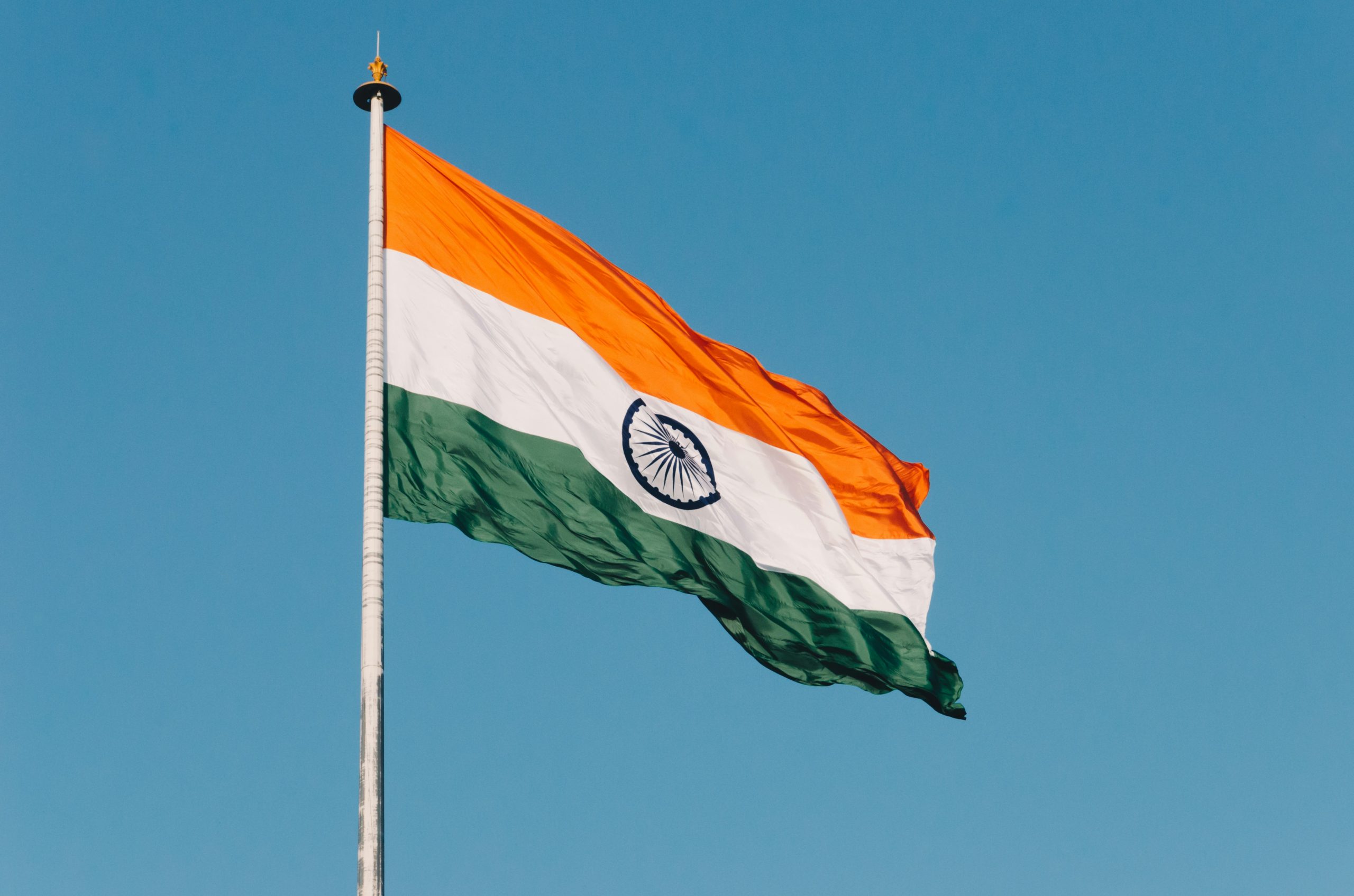
Hopae has made India's two principal digital identity systems accessible through its Hopae Connect API, bringing the country's 1.45 billion-strong enrolled population within reach of its customers via a single integration.
According to Hopae, the platform now supports both DigiLocker and India PAN, offering clients direct access to the country's core identity infrastructure through one connection point. DigiLocker, which forms part of India's Digital India programme, counts more than 680 million enrolled and active users.
Through the service, individuals can consent to share information derived from their Aadhaar card. Hopae also layers on a selfie-to-Aadhaar-photo matching capability, providing biometric-grade, multi-factor verification.
Because any Aadhaar holder can activate DigiLocker as part of the onboarding journey, this brings the total enrolled population of 1.45 billion within practical reach at high-assurance level. India PAN, the country's core tax identity system, has been issued to more than 780 million people. Instant PAN verification is a requirement for workforce onboarding and employment screening, a capability Hopae's customers can now deliver natively.
Aadhaar is the world's largest digital identity programme, with 1.45 billion individuals enrolled, and DigiLocker and PAN represent two of its foundational pillars.
Hopae operates as a global digital identity infrastructure provider, connecting regulated businesses to government-issued digital credentials including national electronic identity schemes, digital wallets, and biometrics.
Its Hopae Connect platform aggregates more than 60 native electronic identity and wallet integrations into a single API, removing the need for organisations to manage multiple bilateral agreements with national identity systems. The platform is positioned as an interoperability layer designed to support compliance requirements including eIDAS 2.0 and anti-money laundering regulations.
With the addition of DigiLocker and PAN, existing Hopae Connect customers gain access to India's identity infrastructure without requiring any changes to their current integration.